
Why Japan’s Hidden Villages Are 2026’s Top Destination
Discover the Charm, Culture, and Tranquility of Japan’s Secret Villages — Your Next Unforgettable Adventure
Imagine stepping back in time, wandering through narrow cobblestone streets lined with traditional wooden houses, surrounded by lush mountains and pristine nature. Japan’s hidden villages offer travelers a unique glimpse into the country’s rich history, vibrant culture, and untouched landscapes. As 2026 approaches, more explorers are discovering these secluded gems, making them the top travel destinations of the year.
In this blog, we’ll unveil the secrets of Japan’s most enchanting hidden villages, why they’re becoming must-visit spots, and how you can experience their magic. Whether you’re a seasoned traveler or planning your first trip to Japan, these villages promise an authentic and unforgettable adventure.
The Allure of Japan’s Hidden Villages
Authenticity and Tradition
Unlike bustling cities like Tokyo and Osaka, Japan’s hidden villages preserve centuries-old traditions. Here, you can witness local crafts, participate in traditional festivals, and stay in family-run guesthouses that have been passed down through generations.
Scenic Beauty and Tranquility
Nestled in remote mountain regions or tucked away in lush valleys, these villages offer breathtaking scenery. Imagine panoramic views of rice terraces, ancient temples, and pristine rivers—perfect for photography, relaxation, and reconnecting with nature.
Cultural Immersion
Visiting these villages allows travelers to experience Japan beyond the typical tourist spots. From local cuisine to folkloric music, the authentic cultural experience is unparalleled.
Top Hidden japan’s Villages to Visit in 2026
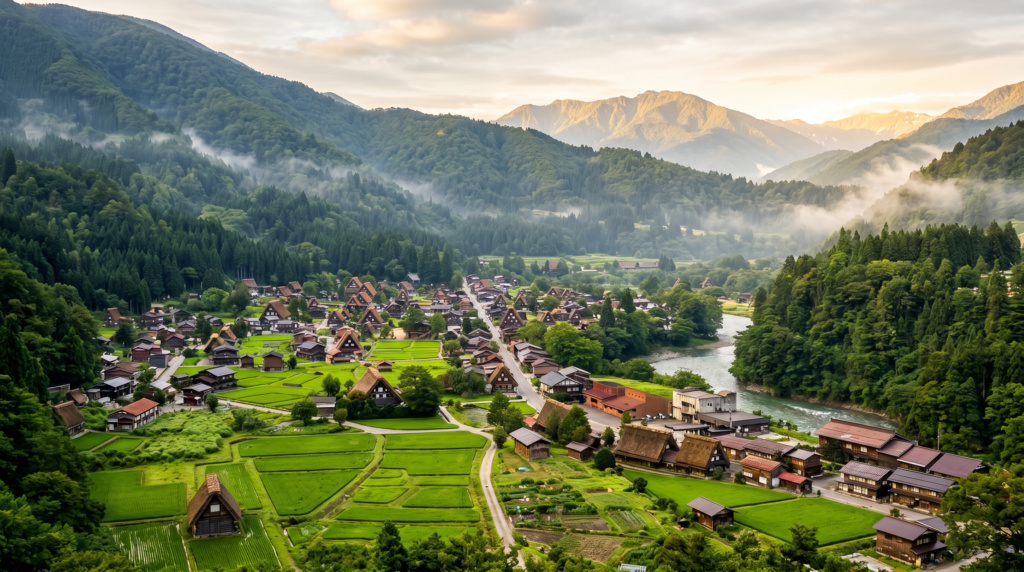
1. Shirakawa-go and Gokayama: The UNESCO Heritage Villages
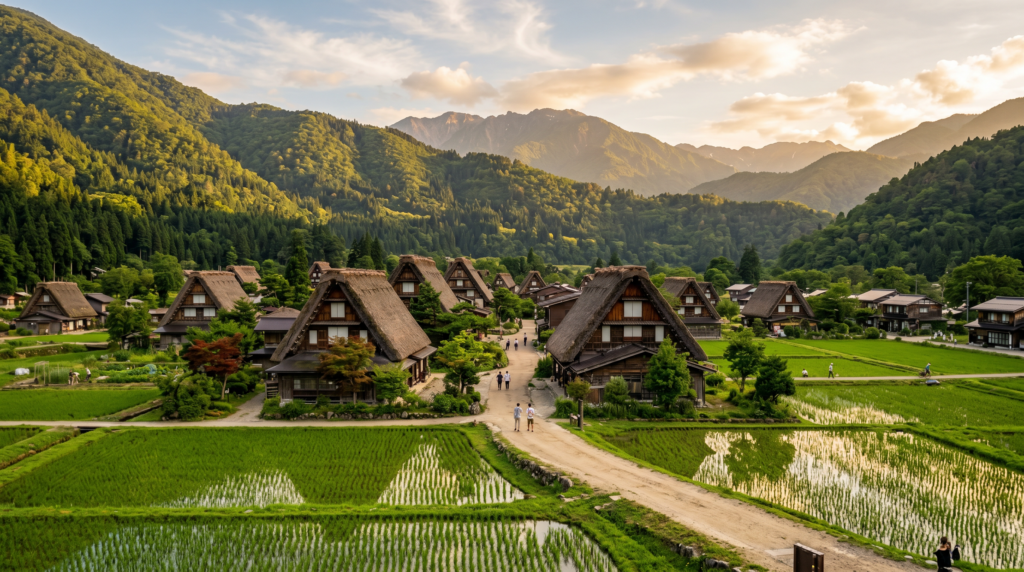
Overview: Famous for their iconic gassho-style thatched roofs, Shirakawa-go and Gokayama are UNESCO World Heritage sites. These villages offer a fairy-tale setting, especially during winter with snow-covered rooftops.
Highlights:
- Traditional farmhouses
- Winter illuminations
- Local craft workshops
Best Time to Visit: Winter (December to February) for snow; spring and autumn for vibrant scenery.
External Link: UNESCO World Heritage Site – Shirakawa-go
2. Tsumago and Magome: The Historic Nakasendo Post Towns
Overview: These beautifully preserved post towns are part of the historic Nakasendo route, once used by samurai and merchants. Walking between Tsumago and Magome is like stepping into Edo-period Japan.
Highlights:
- Well-preserved streets
- Traditional inns and tea houses
- Scenic mountain trails
Best Time to Visit: Spring for cherry blossoms; autumn for fall foliage.
External Link: Nakasendo Trail Guide
3. Ouchi-juku: The Post Town of the Ainu and Edo Period
Overview: Ouchi-juku is a preserved Edo-period post town in Fukushima Prefecture, famous for its thatched roofs and traditional atmosphere.
Highlights:
- Local delicacies like soba noodles
- Traditional craft shops
- Scenic river views
Best Time to Visit: Autumn for fall foliage; winter for snow scenes.
4. Nagoro Village: The japan’s Doll Village
Overview: Nagoro is famous for its quirky art installation—scarecrow-like dolls placed throughout the village, representing former residents and capturing the story of rural depopulation.
Highlights:
- Unique art installations
- Rural scenery
- Engaging storytelling
Best Time to Visit: Spring and autumn for optimal weather.
5. Semboku’s Kakunodate: The japan’s Samurai District
Overview: Known as the “Little Kyoto of Tohoku,” Kakunodate boasts samurai-era architecture, cherry blossom-lined streets, and traditional culture.
Highlights:
- Samurai houses and museums
- Cherry blossom festivals
- Traditional tea ceremonies
Best Time to Visit: Spring (April) for cherry blossoms; autumn.
Why 2026 Is the Year to Explore These Hidden Gems
Growing Accessibility
Advances in transportation and infrastructure make remote villages more accessible than ever. New train lines, scenic routes, and eco-friendly transport options are opening up these areas for international travelers.
Rising Popularity in Travel Trends
As eco-tourism and authentic cultural experiences gain popularity, travelers seek destinations that offer genuine local flavor—exactly what these hidden villages provide.
Sustainability and Responsible Tourism
Many villages are adopting sustainable practices to preserve their heritage and environment, ensuring these treasures remain pristine for future generations.
How to Plan Your Visit
Best Time to Visit
- Spring (March–May): Cherry blossoms and mild weather
- Autumn (September–November): Fall foliage
- Winter (December–February): Snow scenes and winter festivals
Travel Tips
- Use Japan Rail Pass for cost-effective travel.
- Stay in traditional ryokans or minshukas (family inns).
- Respect local customs and traditions.
- Learn basic Japanese phrases for a more immersive experience.
Practical Resources
Experience Japan’s Hidden Villages: Video Guides & Testimonials
Below are some excellent YouTube videos showcasing these villages:
- Shirakawa-go Winter Wonderland
Experience the magic of Shirakawa-go’s snow-covered rooftops. - Walking the Nakasendo Route
Journey through the historic post towns of Tsumago and Magome. - The Doll Village of Nagoro
Discover the unique art and story behind Nagoro.
Human Stories: Connecting with Local Communities
Many travelers find that the true magic lies in the people they meet. From artisans preserving ancient crafts to farmers sharing traditional meals, these villages are alive with stories and warmth.
Personal Experience:
“Visiting Nagoro was like stepping into a living art installation. The villagers welcomed us warmly, sharing tales of their lives and the history embedded in every doll and building.” — Jane D., Travel Blogger
Why You Should Not Miss These Destinations in 2026
- Authentic Cultural Experience: Escape tourist crowds and immerse yourself in local traditions.
- Stunning Scenery: Capture breathtaking photos of Japan’s natural beauty.
- Support Rural Communities: Contribute to sustainable tourism and preservation efforts.
- Create Lasting Memories: Discover stories, sights, and flavors that will stay with you forever.
Conclusion
Japan’s hidden villages are more than just scenic spots—they are gateways into the soul of Japan. As 2026 approaches, they stand out as the top destinations for travelers seeking authenticity, tranquility, and adventure. Whether you’re exploring the snowy rooftops of Shirakawa-go, walking through the historic streets of Tsumago, or marveling at Nagoro’s artful dolls, these villages promise an experience like no other.
Start planning your journey today and be among the first to uncover these treasures of Japan.
Featured Image (Suggestion)
An awe-inspiring shot of Shirakawa-go at sunset, with warm lights glowing from traditional houses amid snow-covered roofs.
Alt Text: Sunset view of Shirakawa-go village with illuminated traditional houses and snow-covered rooftops.
External Resources and Links
- Japan National Tourism Organization
- UNESCO World Heritage Sites in Japan
- Nakasendo Trail Guide
- Hyperdia Train Schedule
- Travel Tips for Japan
Final Thoughts
Japan’s hidden villages are waiting to tell their stories. Whether you’re seeking a peaceful retreat or an adventure into Japan’s past, these destinations offer something truly special. Make 2026 your year to explore these enchanting corners and create memories that will last a lifetime.
Happy travels!