
The pursuit of transparency and accountability in South African governance has once again taken center stage. As the Madlanga Commission of Inquiry continues its deep dive into allegations of malfeasance, corruption, and systemic failures within key state apparatuses—most notably the IDAC Crime Intelligence probe—the nation watches with bated breath. For many South Africans, this commission represents a pivotal moment in the ongoing fight to restore institutional integrity and public trust.
Since its inception, the Commission has not merely been a procedural exercise; it has evolved into a daily unearthing of the intricate webs of patronage that have plagued state institutions. With high-profile testimonies, shocking admissions of guilt, and fierce cross-examinations, the proceedings are dominating headlines and dinner-table conversations alike.
But with hours of daily broadcasts and thousands of pages of legal documentation, it can be overwhelming to keep track of the most critical developments. For the readers of ABC News, we have distilled the complexities of the hearings. Here are the key takeaways from the Madlanga Commission so far, and what they mean for the future of our democracy.
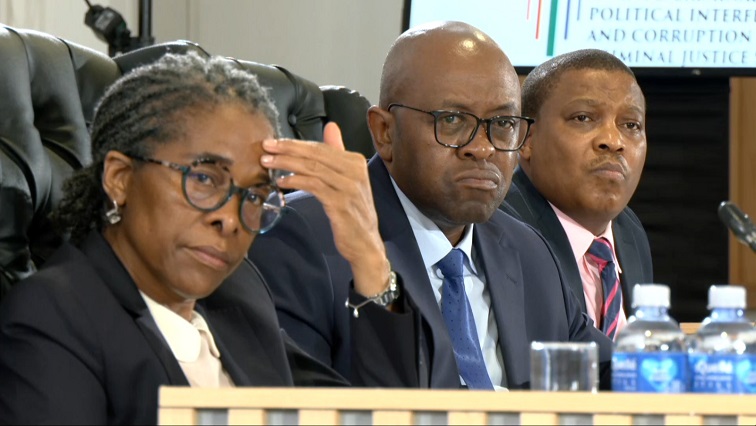
1. The Genesis of the Inquiry: Why We Are Here At Madlanga Commission
To understand the weight of the current proceedings, we must first look at the mandate of the Madlanga Commission. Established in the wake of mounting public pressure and undeniable evidence of systemic rot within law enforcement and intelligence sectors, the Commission was tasked with a monumental objective: to investigate the collapse of governance within specific state organs and to identify those responsible for the looting of public funds and the weaponization of state intelligence.
The core of the current phase focuses heavily on the Investigating Directorate Against Corruption (IDAC) and its probe into Crime Intelligence. Over the years, allegations have swirled that state intelligence resources were not used for national security, but rather to settle political scores, shield corrupt officials from prosecution, and siphon off millions in untraceable “slush funds.” The Commission, led by the esteemed Justice Madlanga, is peeling back these layers, revealing a shadow state that operated with near-total impunity.
2. The Crime Intelligence Slush Fund Revelations
One of the most explosive takeaways from the initial weeks of testimony revolves around the gross mismanagement of the Crime Intelligence Secret Service Account. Whistleblowers and former insiders have taken the stand to detail how this fund, designed to finance covert operations to protect the state from high-level criminal syndicates, was effectively treated as a personal piggy bank by senior officials.
Testimonies have painted a grim picture of procurement fraud, where safe houses were rented at exorbitant, inflated rates from politically connected individuals, and luxury vehicles were purchased under the guise of “undercover operations.” One witness detailed a sophisticated scheme involving the creation of ghost informants—fictitious entities created solely to channel monthly payouts into the pockets of rogue commanders.
The sheer scale of the financial drain is staggering. Auditors presenting evidence to the Commission estimate that hundreds of millions of Rands were misappropriated over a five-year period. This has sparked outrage among the public, particularly against the backdrop of rising violent crime rates and the severe underfunding of visible policing in local communities.
3. The Weaponization of State Resources
Beyond the financial looting, the Madlanga Commission has exposed the terrifying extent to which state security apparatuses were politicized. Several witnesses have provided corroborated accounts of how intelligence operatives were illegally deployed to surveil political rivals, civil society activists, and even journalists who were investigating corruption.
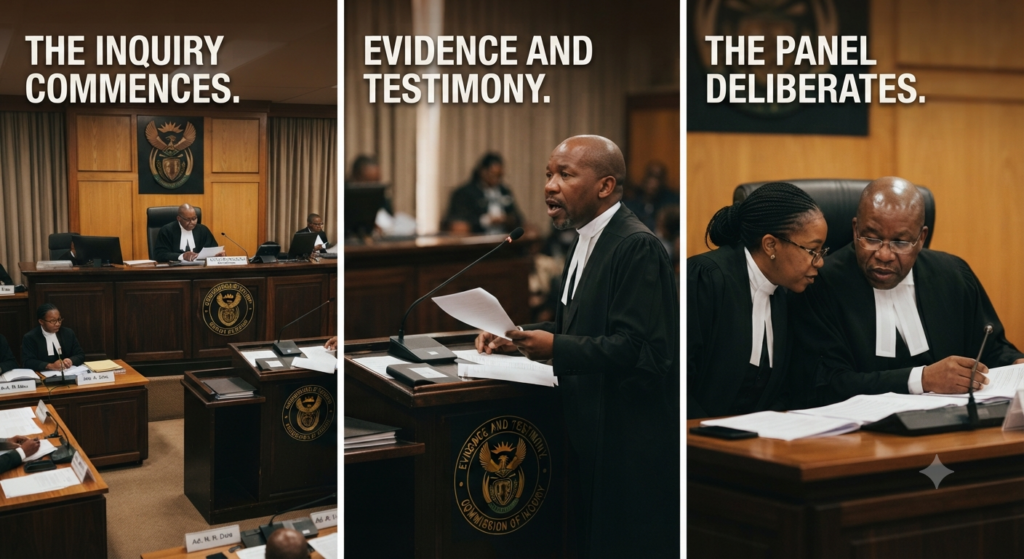
This weaponization effectively paralyzed the criminal justice system. By controlling the flow of intelligence and compromising key dockets, rogue elements within Crime Intelligence were able to insulate themselves and their political allies from the National Prosecuting Authority (NPA).
The Commission has heard how critical investigations into state capture were systematically derailed. Key evidence mysteriously vanished from secure vaults, and lead investigators were subjected to intimidation campaigns, forced transfers, or trumped-up disciplinary charges. This deliberate sabotage explains why so many high-profile corruption cases have historically collapsed before ever reaching a courtroom.
4. The Culture of Fear and the Role of Whistleblowers
A recurring theme throughout the hearings has been the toxic culture of fear that permeated these state institutions. For years, honest public servants who attempted to flag irregularities or halt fraudulent payments were systematically silenced.
However, the Madlanga Commission has also highlighted the incredible bravery of whistleblowers. Despite facing severe personal and professional repercussions—including death threats and financial ruin—these individuals have stepped forward to place their evidence on the public record. Their testimonies serve as the backbone of the Commission’s work.
Justice Madlanga has repeatedly commended these witnesses, emphasizing that without their courage, the depths of the institutional rot would remain hidden. The proceedings have subsequently sparked a renewed national debate on the urgent need to overhaul South Africa’s whistleblower protection laws, which many argue are currently woefully inadequate to shield those who expose grand corruption.
5. High-Level Admissions and Evasive Tactics
As the net widens, the Commission has subpoenaed several high-ranking former and current officials. The responses from the witness stand have varied dramatically. Some officials have made startling admissions, acknowledging their roles in bypassing standard procurement protocols, though often framing these actions as “following orders” from superiors or attributing them to a misunderstanding of the regulations.
Conversely, the Commission has witnessed masterclasses in evasive legal maneuvering. Prominent figures implicated in orchestrating the slush fund syndicates have utilized extensive delay tactics, citing a lack of memory regarding crucial events, claiming their actions were classified under national security laws, or refusing to answer questions on the grounds of self-incrimination.
Despite these hurdles, the legal team leading the evidence has been relentless. Through meticulous cross-examination, relying on a paper trail of digital footprints, banking records, and intercepted communications, they have consistently dismantled the alibis of evasive witnesses.
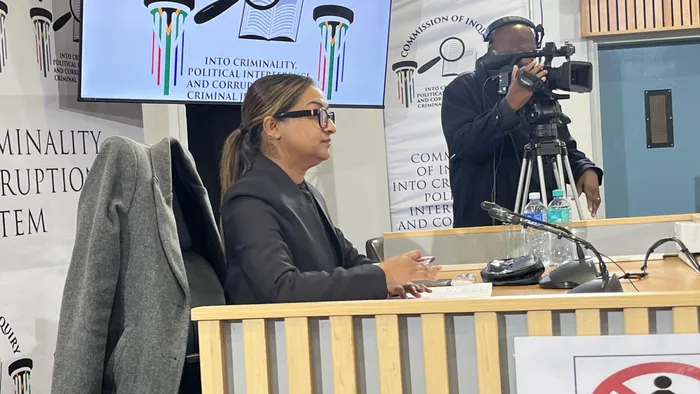
6. The Impact on Public Trust and Political Stability
The ripple effects of the Madlanga Commission are being felt far beyond the walls of the inquiry room. Politically, the revelations are causing significant tremors. Factions within the ruling party are being forced to navigate the fallout as names of influential figures are dragged into the spotlight. The testimonies are providing ample ammunition for opposition parties, who are demanding immediate suspensions and criminal charges against those implicated.
For the general public, the hearings are a double-edged sword. On one hand, there is a sense of vindication and relief that the truth is finally being laid bare. The transparency of a public broadcast allows citizens to see accountability in action.
On the other hand, the sheer magnitude of the betrayal is fueling public cynicism. South Africans, already grappling with a high cost of living, municipal service delivery failures, and high unemployment, are expressing deep frustration. The billions lost to the Crime Intelligence slush funds could have been utilized to build schools, fix critical infrastructure, or bolster legitimate law enforcement efforts. Rebuilding public trust will require much more than just a final report; it will require seeing powerful people behind bars.
7. What Happens Next In Madlanga Commission? The Road to Prosecutions
The ultimate measure of the Madlanga Commission’s success will not be the drama of the hearings, but rather what follows. A commission of inquiry in South Africa cannot, by law, send anyone directly to prison. Its function is investigative and advisory. Justice Madlanga will eventually compile a comprehensive final report detailing the findings and making specific recommendations for criminal prosecutions, asset forfeitures, and institutional reforms.
The baton will then be passed to the National Prosecuting Authority (NPA) and the Directorate for Priority Crime Investigation (the Hawks). The IDAC, which has been closely monitoring the proceedings, will be responsible for translating the Commission’s evidence into airtight criminal dockets.
There is immense pressure on the NPA to act swiftly once the final report is handed over. The South African public has grown weary of prolonged legal battles that span decades without resolution. To restore faith in the justice system, the NPA will need to secure high-profile convictions and recover stolen state assets.
Conclusion
The Madlanga Commission remains an essential, albeit painful, surgical procedure on the body politic of South Africa. It is cutting away the darkness that allowed corruption to thrive within the very institutions meant to protect the state.
As the hearings progress, we can expect more high-profile figures to take the stand, more explosive documents to be declassified, and a clearer picture of how deeply the rot penetrated. The journey toward accountability is long and fraught with legal obstacles, but the work being done in those chambers is a crucial step toward a cleaner, more transparent government.
For now, the microscope remains sharply focused, and the nation continues to watch.
What are your thoughts on the latest testimonies from the Madlanga Commission? Do you believe these hearings will lead to real accountability and prosecutions? Let us know your opinions in the comments section below, and stay tuned to ABC News for daily updates and in-depth analysis.