
New Skills, New Horizons: How Learning Something Unexpected Changed My Trip Forever
Travel & Self-Growth
New Skills, New Horizons: How Learning Something Unexpected Changed My Trip Forever
Travel, Lifestyle, Skills
Let me be honest with you — I almost didn’t go. The trip had been on my vision board for two years: a winding road through the mountains, street food eaten on plastic stools, sunsets nobody back home would believe. But life kept happening. Work. Responsibilities. The usual excuses.
Then something unexpected pushed me off the fence. Not a sale on flights. Not a friend’s nudge. It was a skill. Actually, three skills. And the combination of picking them up just before I left turned what could have been a nice holiday into one of the most transformative experiences of my adult life.
This post is about exactly that — how learning something new before you travel doesn’t just make the trip better. It makes you better. And it opens doors, conversations, and memories that a tourist with only their credit card and a Google Maps pin will never find.
“The traveller sees what they see. The tourist sees what they have come to see.” — G.K. Chesterton
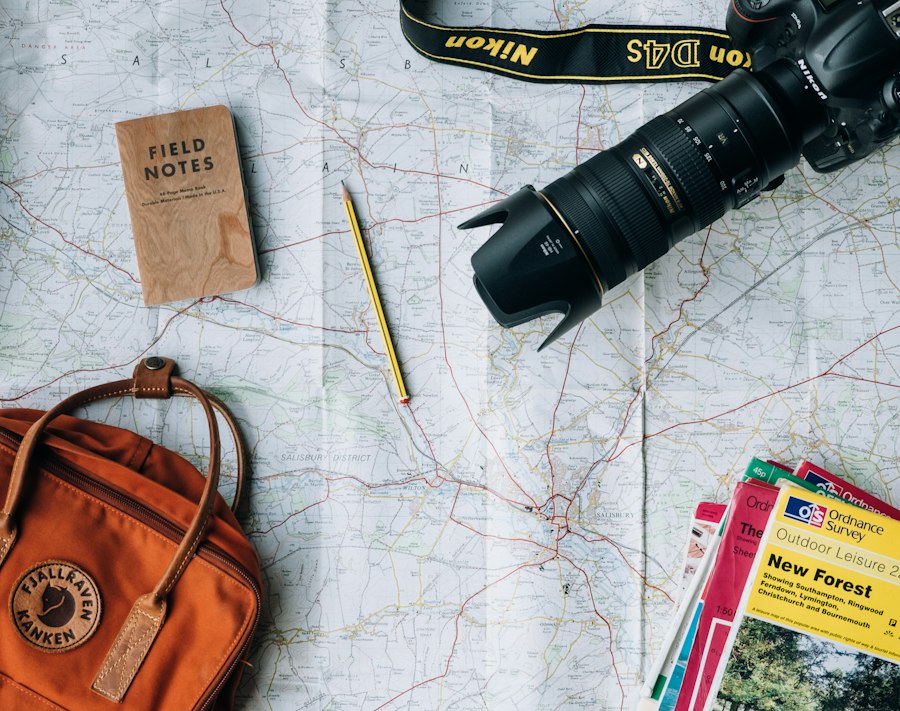
The moment it all started — a journal, a camera, and a decision to learn something new.
Why Pairing New Skills with a New Trip Is the Ultimate Life Hack
There’s a concept in psychology called state-dependent learning — the idea that we remember things better when we’re in the same emotional or physical state as when we learned them. Travel puts you in a heightened state. Your senses are sharp. You’re present in a way that the Monday morning commute rarely allows.
When you arrive somewhere new already carrying a skill, that skill gets burned into your memory with the intensity of the experience around it. You don’t just remember learning photography — you remember learning it on a cobblestone street at golden hour with the smell of grilled corn in the air. That memory stays.
But there’s more to it than memory. Skills give you access. They’re social currency. Pull out a camera with intention, and locals read you differently. Order in even broken local phrases, and you’re no longer just another tourist — you’re a guest who tried. Cook with someone in a market, and you’ve made a friend for life.
Pro Tip
Choose skills that connect naturally to your destination. Heading to Japan? Try a beginner’s calligraphy class online first. Going to Cape Town? Learn a few Afrikaans phrases — locals light up when visitors make the effort. You can start with free resources on Duolingo or Skillshare.
The Three Skills That Changed Everything
I picked up three skills in the six weeks before my trip. None of them were advanced. All of them were transformative.
Travel Photography
Learning to compose a shot changed how I saw every single street, face, and sunset.
Basic Local Phrases
Even 20 words in the local language unlocked conversations, smiles, and trust.
Cooking Basics
A market cooking class became my most shared travel story — and my best meal ever.
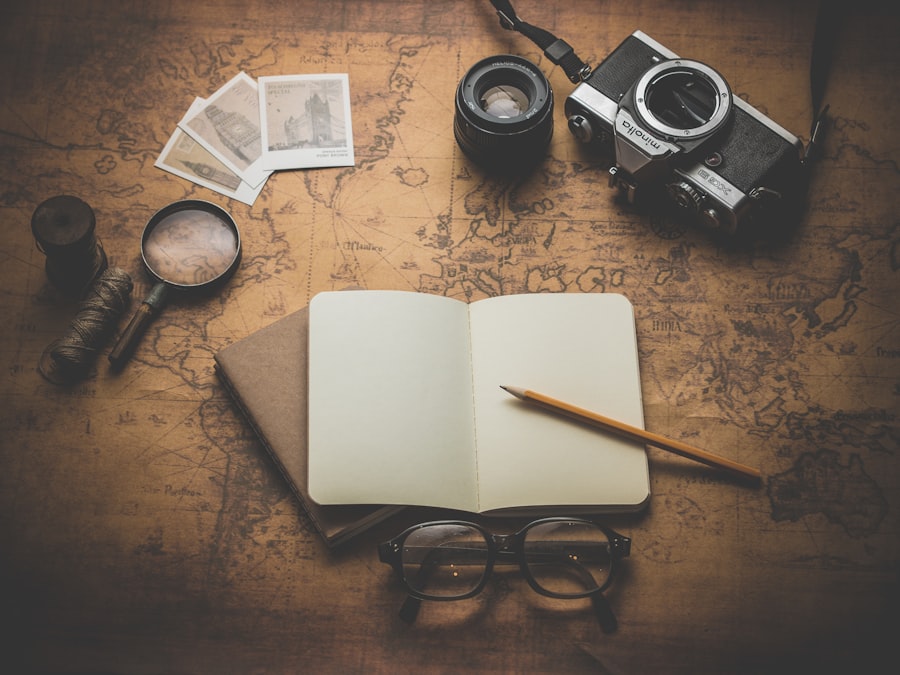
A camera in hand with intent turns sightseeing into storytelling.
Skill #1: Travel Photography — Seeing, Not Just Looking
I started with a free YouTube crash course on the rule of thirds, leading lines, and natural light. I borrowed a friend’s mirrorless camera. I practiced in my own neighbourhood for two weeks, which sounds embarrassingly ordinary — until it isn’t. Suddenly my suburb had texture. Shadows. Stories.
On the trip, this skill didn’t just produce better photos. It fundamentally slowed me down. When you’re looking for a shot, you stop rushing. You wait for a child to run through the frame. You notice the way light hits a tin roof at 5pm. You stay ten minutes longer in a place you’d have walked through in two.
That’s time. And that time is where travel actually happens.
For a brilliant beginner-friendly guide to travel photography, check out this resource from National Geographic’s photography editors — it’s practical, visual, and completely free.
Watch: Beginner travel photography tips that actually work — in under 15 minutes.
Skill #2: Learning the Language (Even Just a Little)
I want to be clear about what “learning the language” meant for me. It was not fluency. It wasn’t even conversational. It was about 35 phrases and maybe 50 vocabulary words. Greetings. Numbers. Food names. “Where is the bathroom?” “This is delicious.” “Thank you so much.”
The ROI on this was absurd.
On my second day, I used a local greeting with an elderly woman selling mangoes from a cart. She grabbed my hand and started laughing — not at me, but with the delight of someone who hadn’t expected it. She called her daughter over. The daughter spoke good English and ended up spending 30 minutes showing me a street market that wasn’t in any guidebook, didn’t have a TripAdvisor listing, and sold the best grilled fish I’ve ever eaten in my life.
All of that — from 15 seconds of broken language.
“To have another language is to possess a second soul.” — Charlemagne
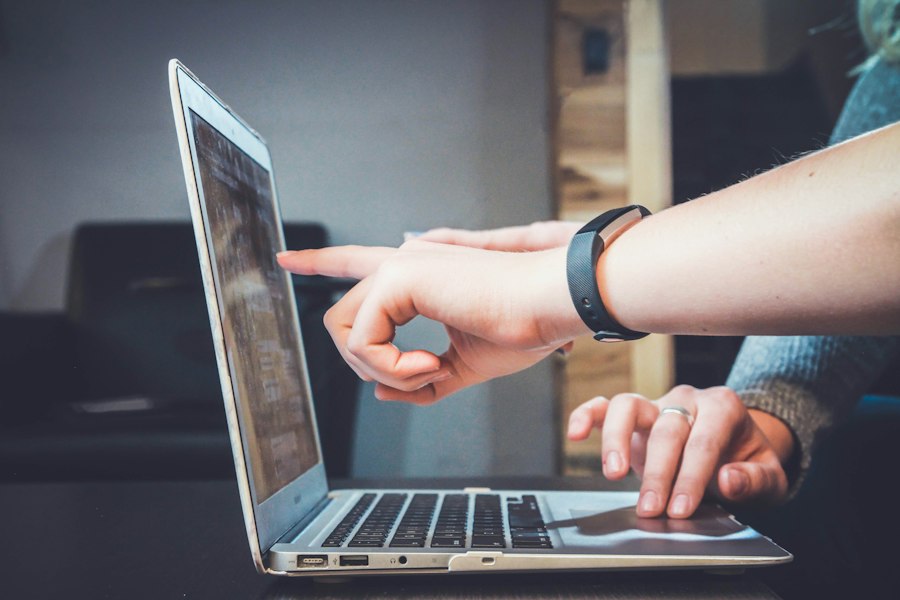
Learning even a handful of phrases before you fly can completely transform your experience on arrival.
Resources I used to learn quickly: Duolingo (daily 10-minute streaks for 6 weeks), YouTube phrase videos (brilliant for pronunciation), and a small printed cheat sheet I kept in my jacket pocket. Total cost: absolutely nothing.
Watch: How to learn key travel phrases in any language before your next trip.
Skill #3: Cooking Basics — The Most Underrated Travel Skill There Is
This one surprised me most. I signed up for a basic cooking class at a local community centre before I left — just five sessions, learning knife skills, heat management, and a few foundational flavour combinations. Nothing fancy. But it gave me a vocabulary for food that I’d never had before.
On the trip, I found a market cooking workshop being run by a local family. Because I had some basic foundation, I wasn’t just following instructions — I was understanding why things were done. I could ask real questions. I could taste and know what was missing. The instructor, a woman in her sixties who’d been cooking since she was eight, looked at me at one point and said, “You’ve cooked before.” That felt like a gold star.
I came home with three recipes I still make regularly. And a standing invitation to come back.
🔗 Useful Resource
Find local cooking classes worldwide on Airbnb Experiences — many are run by home cooks, not professional chefs, which makes them even better. Also check Cookly for destination-specific culinary classes.
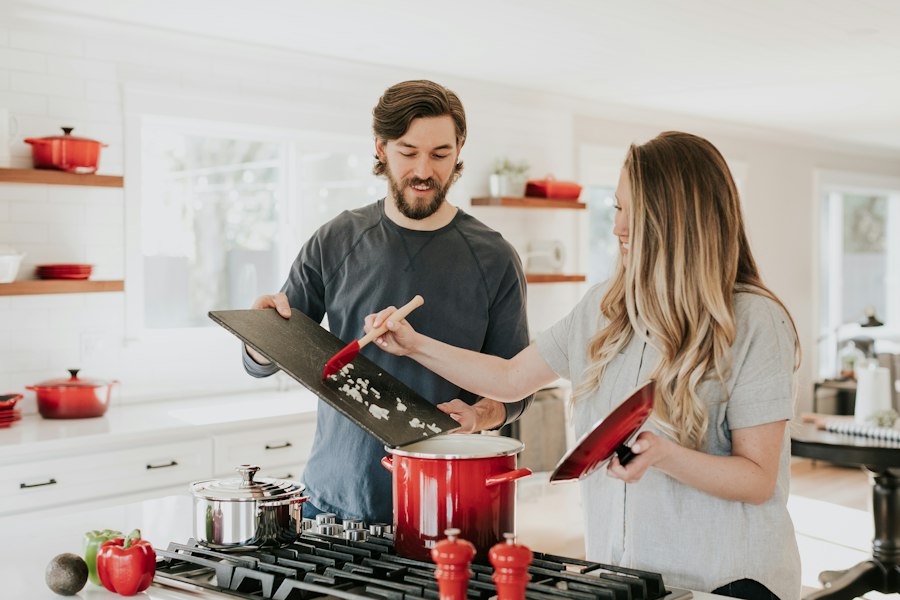
A market cooking class is worth a thousand restaurant meals — and the stories last forever.
How to Choose the Right Skills for YOUR Next Trip
Not every skill fits every trip. Here’s how to think about it:
- Match the culture. Research what matters where you’re going. In Japan, etiquette is skill. In Morocco, bargaining is skill. In Brazil, a few samba steps might be skill. Let the destination guide you.
- Start with something visual or physical. Hands-on skills (cooking, photography, craft) embed faster than purely intellectual ones when you’re already stimulated by travel.
- Give yourself 4–6 weeks. You don’t need mastery. You need just enough to be useful, and enough to ask good questions once you arrive.
- Use free tools first. YouTube, Duolingo, community classes, library books. Spend money on the trip, not on premium learning platforms you might not need.
- Tell people you’re learning. Locals on your trip will ask what you know, show you what they know, and teach you things no course could cover.
The real souvenir is always a skill.
A magnet fades. A t-shirt shrinks. But knowing how to make that dish, say that greeting, or frame that shot? That goes everywhere with you for the rest of your life.
The Trip Itself: A Few Snapshots in Words
I’m deliberately not naming the destination — not because it’s a secret, but because this story isn’t really about a place. It’s about a state of being. That said, here’s what I remember most vividly:
A rooftop at 6am, light turning everything copper, my camera getting a shot I still use as my phone wallpaper. A tiny restaurant with no English menu, where I pointed and tried to pronounce, and the chef came out from the kitchen to see who’d ordered that particular dish. A cooking class that ran two hours longer than scheduled because nobody wanted it to end. A bus ride where three strangers taught me a card game using hand signals and laughter because we shared no language beyond that.
None of these were on any itinerary. All of them were products of showing up with something to offer — a skill, an interest, an attempt.
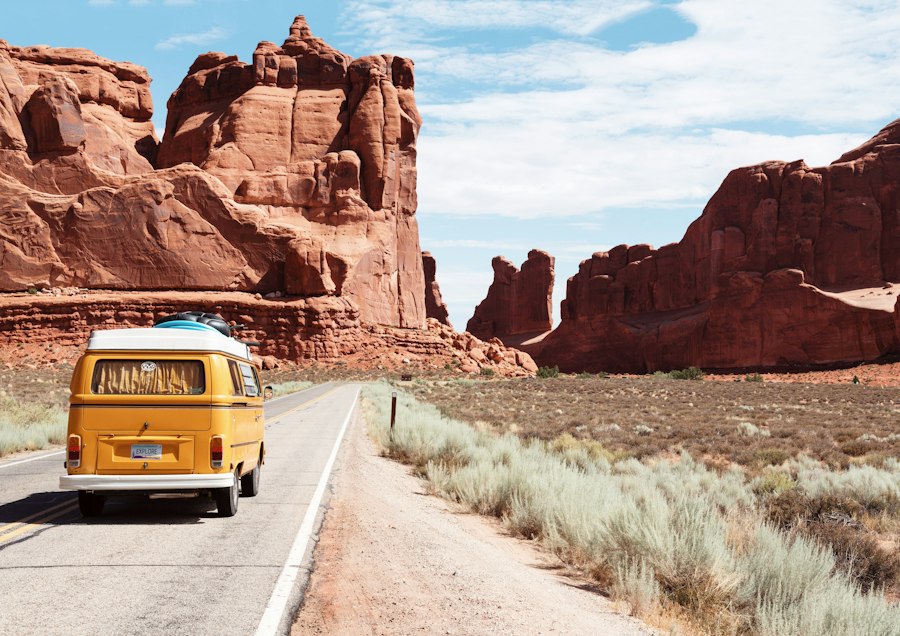
Every road leads somewhere beautiful when you’re ready to truly arrive.
Resources to Start Learning Before Your Next Trip
Here are some genuinely great places to start — all tried and recommended:
- Photography: Peter McKinnon on YouTube — energetic, practical, excellent for beginners
- Language: Duolingo for daily streaks, plus search “basic [language] phrases for travellers” on YouTube
- Cooking: Joshua Weissman on YouTube for foundations, or local community cooking classes
- Culture: Lonely Planet’s destination guides — free online articles cover customs and etiquette
- Experiences abroad: Airbnb Experiences — book a local skill-based activity in your destination city
Final Thought: Stop Waiting for the “Right Time” to Go
Here’s the thing about waiting — the trip doesn’t get easier to take. Responsibilities don’t thin out. Life doesn’t pause. But the world keeps being extraordinary outside your window, and it’s genuinely waiting for you.
Pick one skill. Learn it imperfectly. Book the trip. Arrive as someone who tried. And watch what happens.
Because I promise you — the most surprising part of my trip wasn’t the landscape, the food, or even the people. It was who I was by the time I came home. A little braver. A little more curious. And holding a camera with way more intention than I had before I left.
That’s worth every minute of six weeks of YouTube tutorials and broken vocabulary drills.
Now go. Seriously.
Take This With You
Every great journey begins with a single decision — to learn something new and let it lead you somewhere unexpected.
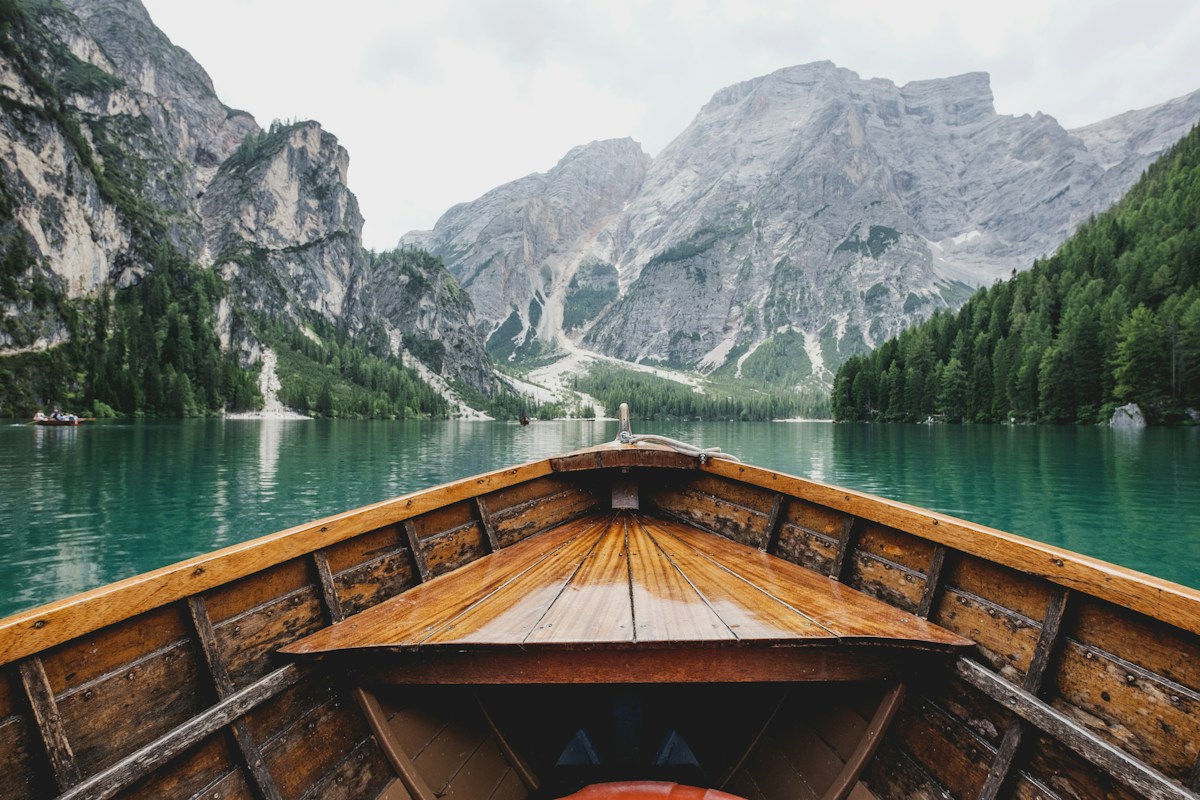
The adventure of a lifetime is one new skill and one plane ticket away.
#Travel#NewSkills#SelfGrowth#Photography#LanguageLearning#CookingClass#TravelTips#AdventureAwaits#LifestyleBlog
The MyNextJob Team
We write about growth, opportunities, and the stories of people building better lives — through work, travel, and the skills that open doors. Follow us at mynextjob.co.za for more.