
The Changing Landscape of Fuel Prices in 2026
In August 2026, fuel prices continue to be a hot topic globally. From everyday commuters to large industries, everyone is feeling the impact of fuel costs. Over the past few years, the world has experienced remarkable shifts in energy markets, driven by technological innovations, geopolitical tensions, and evolving environmental policies.
As we dive into the current state of fuel prices, it’s essential to understand what factors influence these costs, how they affect your wallet, and what the future holds. Whether you’re a car owner, a business operator, or simply curious about energy trends, this guide will provide valuable insights to navigate the fuel landscape of 2026.

The Current State of Fuel Prices in August 2026
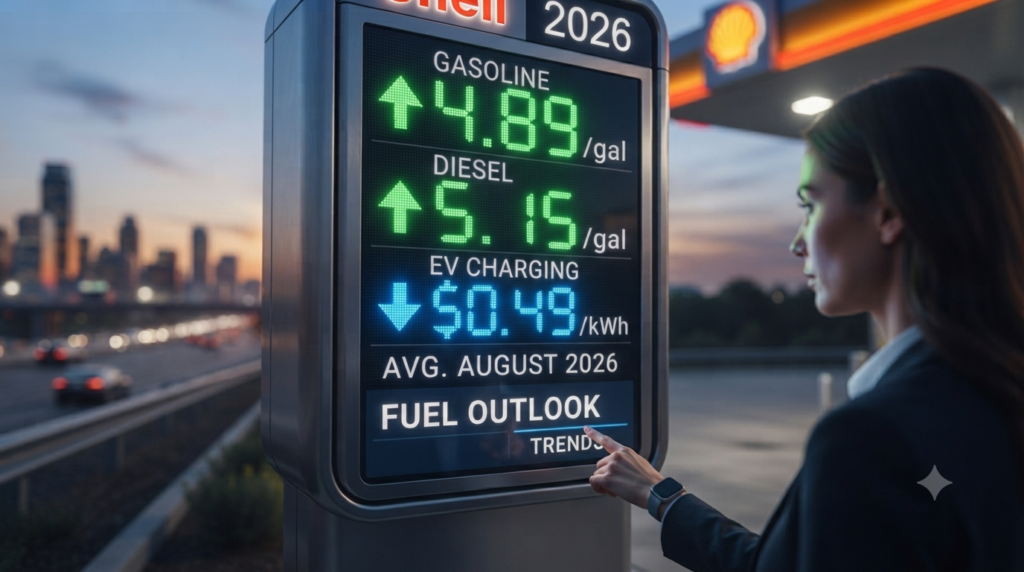
As of August 2026, average gasoline prices in various regions have seen significant changes compared to previous years. According to recent reports from Global Energy Monitor and EIA, the average price of gasoline in the United States hovers around $3.45 per gallon, slightly higher than the last quarter. Meanwhile, countries like Germany and Japan report prices exceeding $2.80 per liter, influenced by local taxes and energy policies.
Price Trends in Major Countries
| Country | Avg. Gasoline Price (August 2026) | Change from 2025 | Key Factors |
|---|---|---|---|
| United States | $3.45 per gallon | +$0.20 | Ongoing shift from fossil fuels to electric vehicles |
| Germany | €2.60 per liter (~$2.80 USD) | +€0.15 (~$0.16) | Rising taxes to fund renewable energy projects |
| Japan | ¥180 per liter (~$1.60 USD) | +¥10 (~$0.09) | Limited domestic oil production, reliance on imports |
| India | ₹90 per liter (~$1.20 USD) | +₹5 (~$0.07) | Government subsidies gradually phased out |
Note: Prices vary regionally due to taxes, subsidies, and local policies.
What Influences Fuel Prices in 2026?
Understanding the factors behind fuel prices helps explain the fluctuations seen today. Several key elements shape the costs:
1. Global Oil Markets
Oil remains the primary fuel source globally. Prices are influenced by supply and demand, geopolitical tensions, and production decisions by OPEC+ countries. In 2026, the global oil market is characterized by cautious stability, with occasional price spikes due to conflicts or supply disruptions.
External Link: OPEC’s latest reports
2. Transition to Renewable Energy
Many countries have accelerated their shift toward renewable energy sources, reducing dependence on fossil fuels. This transition influences oil demand, leading to fluctuating prices. For example, increased electric vehicle (EV) adoption has caused some regions to see a decline in gasoline demand.
External Link: IEA’s report on EV adoption
3. Geopolitical Tensions
Conflicts in oil-rich regions, such as the Middle East or Africa, can disrupt supply chains, leading to price volatility. In 2026, ongoing diplomatic negotiations aim to stabilize these regions, but uncertainties remain.
4. Environmental Policies
Governments worldwide are implementing stricter emissions standards and taxing carbon emissions, which often increase fuel prices. For example, Europe’s carbon tax policies have added to the cost of gasoline.
5. Currency Fluctuations and Inflation
Currency values impact fuel prices, especially for countries heavily reliant on imports. Inflation also plays a role in raising the cost of fuel production and distribution.
How Fuel Prices Affect Daily Life in 2026
Fuel prices in 2026 influence many aspects of daily life and the economy:
Cost of Commuting and Transportation
Higher fuel prices mean increased costs for daily commuting. Many drivers are opting for electric vehicles or carpooling to save money. Public transportation usage has also surged in urban areas.
Impact on Goods and Services
Transportation costs directly affect the price of goods, from groceries to electronics. Consumers are feeling the pinch as businesses pass some costs onto customers.
Economic Growth and Inflation
Rising fuel prices can slow economic growth, especially in energy-dependent industries like manufacturing and logistics. Governments may implement subsidies or tax breaks to ease the burden.
Environmental Benefits
Higher fuel prices incentivize consumers and businesses to adopt cleaner, renewable energy sources, contributing to climate change mitigation efforts.
The Future of Fuel Prices: Predictions for the Coming Years
Looking ahead, experts predict several trends shaping the future of fuel prices:
Continued Transition to Electric Vehicles
By 2026, EV sales have skyrocketed, accounting for over 30% of new car sales globally. As EV infrastructure expands, demand for gasoline may decline further, potentially stabilizing or reducing prices.
YouTube Video: The Future of Electric Vehicles — Watch this insightful video explaining EV trends.
Expansion of Renewable Energy
Investments in solar, wind, and hydrogen power are expected to grow, decreasing reliance on fossil fuels and influencing global fuel markets.
Policy and Regulation Changes
Governments will continue to implement policies aimed at reducing carbon emissions, which could further increase fuel prices temporarily but promote cleaner energy sources in the long run.
Technological Innovations
Advances in fuel efficiency, synthetic fuels, and alternative energy sources will impact prices, potentially making fuels cheaper and more sustainable.
Tips to Manage Fuel Costs in 2026
Here are some practical tips to save money amid fluctuating fuel prices:
- Switch to Electric or Hybrid Vehicles: Reduce reliance on gasoline altogether.
- Carpool and Use Public Transit: Share rides and utilize public transportation.
- Optimize Driving Habits: Maintain proper tire pressure, avoid aggressive driving, and plan efficient routes.
- Stay Informed: Follow fuel price trends via apps like GasBuddy or local news sources.
- Invest in Renewable Energy: Consider installing solar panels at home to reduce energy costs.
External Resources to Stay Informed
- U.S. Energy Information Administration (EIA)
- International Energy Agency (IEA)
- Oil & Gas Journal
- Fuel Price Comparison Apps
Conclusion: Navigating the Fuel Market in 2026
Fuel prices in August 2026 reflect a complex interplay of global, regional, and technological factors. While fluctuations are inevitable, staying informed and adapting your energy consumption habits can help you manage costs effectively.
As the world advances toward cleaner and more sustainable energy sources, the landscape of fuel prices will continue to evolve. Embracing new technologies, advocating for smart policies, and making eco-friendly choices will not only benefit your wallet but also contribute to a healthier planet.