
Reserve Bank Hikes Interest Rates in South Africa: What It Means for the Economy and Consumers
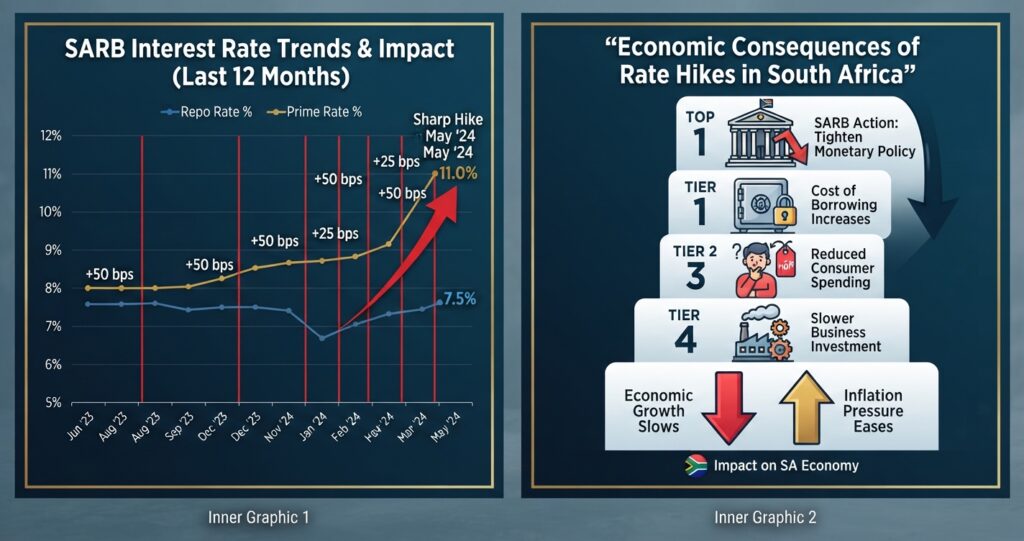
In a significant move, the South African Reserve Bank (SARB) has announced an interest rate hike, marking a pivotal moment for the country’s economic landscape. The decision to increase the repo rate by 0.25% to 7.75% aims to curb inflation but also raises concerns about borrowing costs, consumer spending, and overall economic growth. This article explores the reasons behind the rate hike, its potential impacts, and what it means for South Africans.
Understanding the Reserve Bank’s Decision
The South African Reserve Bank has a dual mandate: to maintain price stability and support economic growth. Recently, inflation rates have been trending upward, driven by rising fuel prices, food costs, and global supply chain disruptions. According to Statistics South Africa, the inflation rate reached 6.5% in July 2023, exceeding the Bank’s target range of 3% to 6%.
To address these inflationary pressures, the SARB decided to raise the interest rate. The central bank’s governor, Lesetja Kganyago, stated that the move was necessary to anchor inflation expectations and ensure price stability. By increasing the repo rate, borrowing becomes more expensive, which can help slow down inflation but may also dampen economic activity.
Why Do Central Banks Hike Interest Rates?
Interest rate adjustments are a common monetary policy tool used by central banks worldwide. When inflation rises above target levels, increasing interest rates helps reduce consumer and business borrowing, thereby decreasing spending and demand. Conversely, lowering rates can stimulate economic growth during downturns.
In South Africa’s case, the rate hike aims to:
- Control Inflation: Keep inflation within the target range to protect consumers’ purchasing power.
- Maintain Currency Stability: A higher interest rate can attract foreign investment, supporting the South African rand.
- Prevent Economic Overheating: Cool down an overheated economy that might be causing price rises.
How Central Banks Use Interest Rates to Manage the Economy
Impacts on Consumers and Borrowers
The immediate effect of the rate hike is an increase in the cost of borrowing. This impacts various sectors:
- Home Loans and Mortgages: Borrowers with variable-rate mortgages will see their monthly repayments increase, potentially straining household budgets.
- Business Loans: Companies may delay expansion plans or investment due to higher financing costs.
- Credit Card Debt: Interest on outstanding credit card balances will rise, making consumer debt more expensive.
For savers, higher interest rates can mean better returns on savings accounts and fixed deposits. This may encourage more saving but reduce disposable income for spending.
How Interest Rate Changes Affect Loan Repayments
The Broader Economic Outlook
While the rate hike is aimed at controlling inflation, it also has implications for South Africa’s economic growth. The country faces a delicate balancing act:
- Potential Slowdown: Higher borrowing costs could reduce consumer spending, leading to slower economic growth.
- Inflation Control: Keeping inflation in check is vital for economic stability and long-term growth.
- Employment Effects: Reduced business investment might impact job creation, particularly in sectors sensitive to interest rates like construction and manufacturing.
Economists warn that if interest rates remain elevated for an extended period, it could lead to a recession or prolonged economic stagnation. However, some analysts believe that the move is necessary to restore macroeconomic stability.
South Africa Economic Outlook 2023
How Will This Affect the South African Rand?
The rand has experienced volatility amid global economic uncertainties and domestic inflation concerns. An interest rate hike can bolster currency confidence by attracting foreign investors seeking higher returns, potentially strengthening the rand. However, if the rate hike dampens economic growth, investor confidence might wane, leading to further currency weakness.
South African Rand Exchange Rate Trends
What Should Consumers Do?
In light of the interest rate hike, consumers should consider reviewing their financial plans:
- Reassess Loans: If you have variable-rate debt, plan for higher repayments.
- Increase Savings: Take advantage of higher interest rates on savings accounts.
- Limit Unnecessary Borrowing: Be cautious with new loans or credit card use.
- Budget Carefully: Adjust household budgets to accommodate increased expenses.
Financial advisors recommend focusing on reducing high-interest debt and building an emergency fund to weather economic uncertainties.

Government and Policy Responses
The South African government has also signaled readiness to support the economy through targeted fiscal measures. These include infrastructure investments and policies to stimulate sectors less affected by interest rate increases.
Additionally, the SARB remains committed to monitoring inflation and adjusting monetary policy accordingly to ensure macroeconomic stability.
South Africa Fiscal Policy Overview
Expert Opinions and Future Outlook
Economists have mixed views on the interest rate hike. Some believe that it is a prudent move to prevent runaway inflation, while others warn about the risks of stifling economic growth.
According to Dr. Thabo Kgomo, an economist at the University of Pretoria, “The SARB’s decision reflects a necessary step to bring inflation under control, but policymakers must remain vigilant to avoid tipping the economy into recession.”
Looking ahead, analysts suggest that the SARB will likely maintain a cautious stance, balancing inflation control with supporting growth.
Related YouTube Video: South African Reserve Bank Interest Rate Decision Explained
Conclusion
The Reserve Bank’s decision to hike interest rates in South Africa is a reflection of the complex balancing act policymakers face in managing inflation, currency stability, and economic growth. While higher borrowing costs may challenge consumers and businesses in the short term, the move aims to foster a more stable economic environment in the long run.
For South Africans, understanding these developments is crucial for making informed financial decisions. As always, staying updated through reliable sources and seeking professional advice can help navigate these changing economic tides.
Disclaimer: This article is for informational purposes only and should not be considered financial advice. Please consult with a financial advisor for personalized guidance.
External Resources & Links:
- South African Reserve Bank Official Website
- Statistics South Africa
- Investopedia – Central Bank Interest Rate Policies
- World Bank South Africa Overview
- Xerox Currency Charts – ZAR
Note: For more updates on South Africa’s economy and related news, subscribe to our newsletter at abcnews.co.za